
CNC Lathes vs. CNC Mills: What’s the Difference and Which Is Right for Your Part?
When it comes to precision machining, CNC lathes and CNC mills are among the most common and powerful tools in modern manufacturing. While both are capable of producing highly accurate components, they operate very differently and excel at different types of work.
Understanding the differences between CNC lathes and CNC mills can help engineers, buyers, and designers choose the right process for their parts, saving time, reducing costs, and preventing rework.
What Is a CNC Lathe?
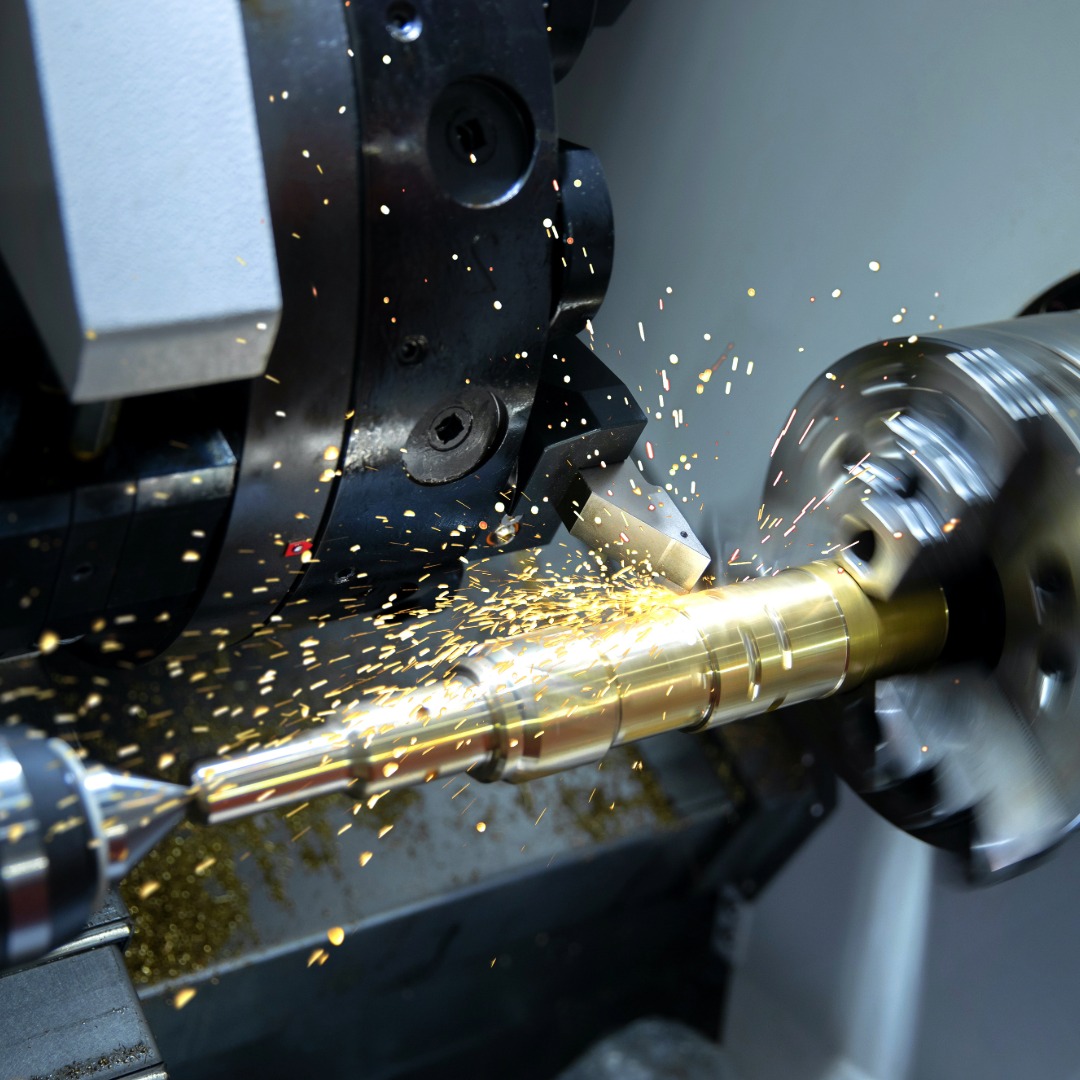
A CNC lathe is designed to machine parts by rotating the workpiece while a stationary cutting tool removes material. This process is known as turning.
Think of a CNC lathe as ideal for parts that are round, cylindrical, or symmetrical around a central axis.
CNC Lathe Strengths
CNC lathes are best suited for:
- Shafts and rods
- Bushings and sleeves
- Pins, spacers, and collars
- Threaded components
- Round housings and couplings
Because the part spins during machining, lathes excel at producing:
- Excellent concentricity
- Smooth surface finishes
- Tight diameter tolerances
What Is a CNC Mill?
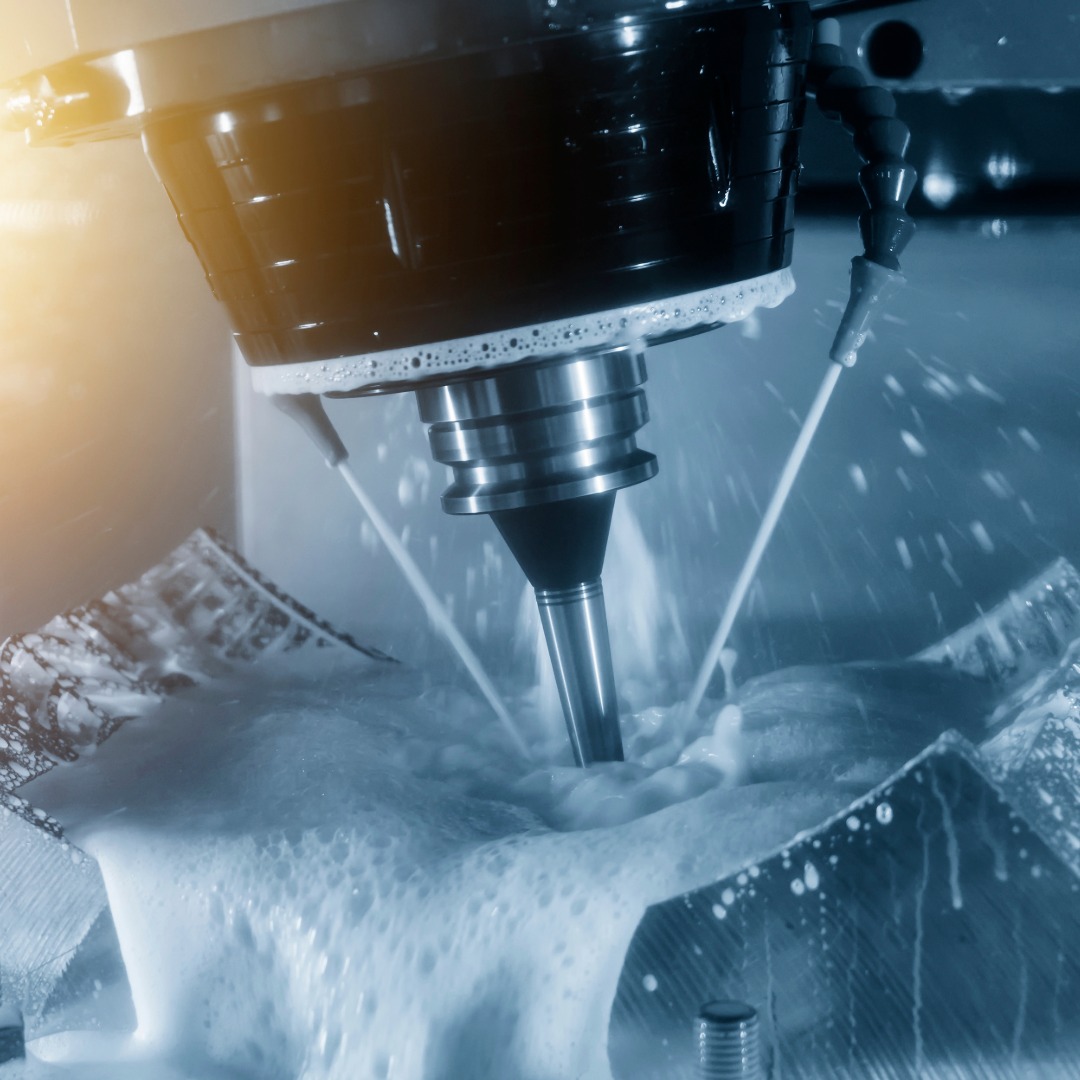
A CNC mill works in the opposite way: the cutting tool rotates, while the workpiece remains stationary (or moves incrementally). Milling removes material by cutting across the surface of the part rather than around it.
CNC mills are the go-to solution for complex shapes, flat surfaces, and multi-axis features.
CNC Mill Strengths
CNC mills are ideal for:
- Plates and brackets
- Enclosures and housings
- Parts with pockets, slots, or contours
- Precision holes and tapped features
- Irregular or asymmetrical components
Milling machines shine when parts require:
- Complex geometries
- Multiple faces or features
- Tight positional tolerances
- 3D contours or profiles
With multi-axis CNC mills (3-, 4-, or 5-axis), manufacturers can machine extremely complex parts in fewer setups.
CNC Lathe vs. CNC Mill: Key Differences
| Feature | CNC Lathe | CNC Mill |
|---|---|---|
| Workpiece Motion | Part rotates | Tool rotates |
| Best For | Cylindrical, round parts | Complex, flat, or contoured parts |
| Typical Operations | Turning, facing, threading | Milling, drilling, pocketing |
| Surface Finish | Excellent on round features | Excellent on flat and complex surfaces |
| Geometry | Symmetrical | Asymmetrical or multi-face |
Which Machine Is Right for Your Part?
The choice between a CNC lathe and a CNC mill depends on part geometry and functional requirements, not just material or size.
- If your part is round and rotationally symmetrical, a CNC lathe is usually the most efficient and cost-effective option.
- If your part has multiple faces, pockets, slots, or complex features, a CNC mill is typically the better choice.
- Many parts benefit from both processes, especially assemblies that include turned and milled features.
Experienced manufacturers often evaluate the design early to determine the optimal machining strategy.
Final Thoughts
CNC lathes and CNC mills are both essential tools in precision manufacturing, each excelling in different applications. Knowing the strengths of each machine helps ensure better designs, faster production, and more reliable parts.
If you’re unsure which process is best for your component, reach out to us with your design and specs and we can help.