
CNC Parts Tumbling: Why It’s Done and How It Improves Machined Components
At PE Manufacturing, producing high-quality CNC machined parts involves more than just precision cutting and tight tolerances. One of the most important finishing steps in the manufacturing process is parts tumbling. While often overlooked, tumbling plays a major role in improving the appearance, performance, and safety of machined components before they reach the customer.
Whether parts are used in electronics, industrial controls, automotive applications, or precision assemblies, tumbling helps ensure a cleaner and more consistent final product.
What Is CNC Parts Tumbling?
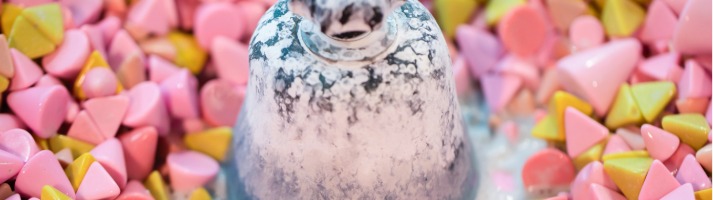
Tumbling is a finishing process used after CNC machining to smooth, clean, and deburr metal or plastic parts. The process involves placing machined components into a vibrating or rotating tumbler along with abrasive media, compounds, and sometimes water.
As the machine vibrates or rotates, the media repeatedly contacts the parts, removing sharp edges, burrs, machining marks, and surface imperfections.
Common types of tumbling include:
- Vibratory tumbling
- Barrel tumbling
- Centrifugal tumbling
- Wet tumbling
- Dry tumbling
The selected method depends on the material, geometry, finish requirements, and production volume of the parts.
Why Is Tumbling Important After CNC Machining?
1. Burr Removal and Deburring
One of the primary reasons for tumbling CNC parts is to remove burrs created during machining operations.
Burrs are small raised edges or fragments of material left behind after cutting, drilling, or milling. Even tiny burrs can create problems such as:
- Improper fit during assembly
- Electrical shorts in electronic applications
- Safety hazards for operators
- Premature wear on mating components
Tumbling provides a consistent and efficient way to deburr large quantities of parts while maintaining repeatability.
Improved Surface Finish
Machined parts often contain visible tool marks or rough surfaces directly after CNC processing. Tumbling helps smooth these surfaces to create a cleaner and more professional appearance.
Benefits of improved surface finish include:
- Better cosmetic appearance
- Improved customer perception
- Easier cleaning and maintenance
- Reduced friction between moving parts
- Improved coating or plating adhesion
For many products, the final finish is just as important as the machining accuracy itself.
Enhanced Safety
Sharp edges on machined components can present handling risks during assembly, packaging, or installation. Tumbling rounds off sharp corners and edges, making parts safer for technicians and end users.
This is especially important in industries such as:
- Electronics manufacturing
- Consumer products
- Medical equipment
- Industrial controls
Better Part Consistency
Manual deburring methods can vary from operator to operator. Tumbling creates a more repeatable and uniform finish across large production runs.
For manufacturers producing hundreds or thousands of identical parts, consistency is critical to maintaining quality standards and reducing inspection issues.
Effects of Tumbling on CNC Parts
While tumbling offers many benefits, it is important to understand how the process affects machined components.
Edge Softening
Tumbling naturally softens sharp edges and corners. This is beneficial for deburring, but it must be carefully controlled on precision parts where sharp edges are required for functionality.
Manufacturers must balance deburring effectiveness with dimensional requirements.
Surface Texture Changes
Different tumbling media can create different finishes, including:
- Matte finishes
- Satin finishes
- Polished appearances
- Lightly textured surfaces
The type of media and process time determine the final look and feel of the part.
Minor Material Removal
Tumbling removes a small amount of material from the surface of the part. In most applications, this removal is minimal, but it must still be considered for tight-tolerance components.
Experienced manufacturers account for this during the machining and finishing process.
Improved Cleanliness
Tumbling can also help remove oils, chips, and machining residue from parts before secondary operations such as:
- Powder coating
- Anodizing
- Plating
- Assembly
- Packaging
Cleaner parts lead to improved downstream processing and better final product quality.
Types of Tumbling Media
The effectiveness of tumbling depends heavily on the media used. Common media materials include:
Ceramic Media
Used for aggressive deburring and heavy material removal.
Plastic Media
Provides lighter deburring and smoother finishes on delicate parts.
Steel Media
Often used for burnishing and polishing metal surfaces.
Organic Media
Materials such as corn cob or walnut shell are used for polishing softer materials.
Selecting the correct media is critical to achieving the desired finish without damaging the component.
Industries That Benefit from CNC Tumbling
Many industries rely on tumbling as part of their manufacturing process, including:
- Electronics
- Aerospace
- Automotive
- Utility equipment
- Telecommunications
- Industrial automation
- Consumer products
Any application requiring clean, smooth, and consistent machined components can benefit from proper tumbling processes.
CNC Machining and Finishing at PE Manufacturing
At PE Manufacturing, we understand that precision machining is only part of delivering a quality product. Secondary finishing processes such as tumbling and deburring help ensure components meet both functional and cosmetic expectations.
Our CNC machining capabilities support a wide range of industries and applications, with a focus on:
- Precision machining
- Consistent quality
- Production efficiency
- Clean finished components
- Reliable turnaround times
From prototype runs to full-scale production, proper finishing processes help deliver parts that are ready for assembly and real-world use.